


Testosterone, a hormone commonly associated with muscle mass and strength, also plays a significant role in fat metabolism. Understanding the mechanisms behind testosterone’s influence on fat storage and breakdown can provide insights into weight management and overall health.
If you want buy steroids uk, we offer you the best options and prices.
The Role of Testosterone in Fat Metabolism
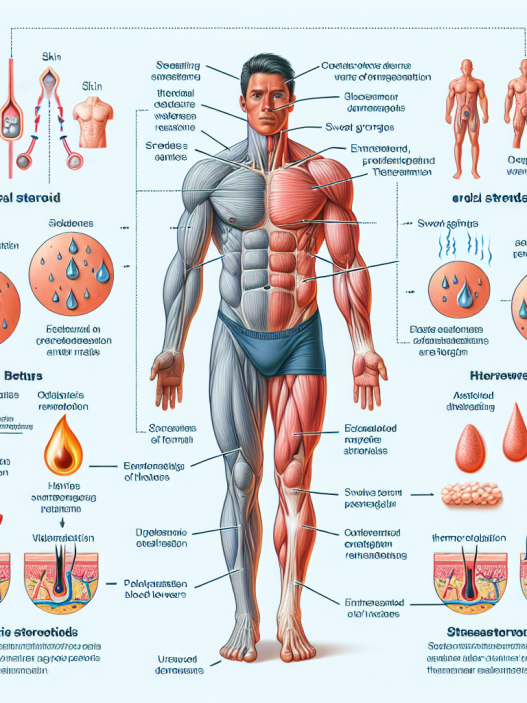
Testosterone influences fat metabolism through several key mechanisms:
- Increased Lipolysis: Testosterone promotes the breakdown of fat cells (adipocytes) through a process called lipolysis, which releases fatty acids into the bloodstream for energy use.
- Reduction of Fat Storage: This hormone helps to limit the accumulation of fat by inhibiting the activity of fat-storing enzymes, such as lipoprotein lipase.
- Enhanced Muscle Mass: Higher testosterone levels contribute to increased muscle mass, which in turn raises the resting metabolic rate. This means that the body burns more calories at rest, aiding in fat loss.
- Influence on Insulin Sensitivity: Testosterone improves insulin sensitivity, leading to better carbohydrate utilization and reduced fat storage.
Testosterone Levels and Body Composition
Low testosterone levels have been linked to an increase in body fat, particularly visceral fat, which is associated with various health risks such as diabetes and heart disease. Men with low testosterone often find it challenging to lose weight and may experience fatigue and lower energy levels.
In contrast, maintaining optimal testosterone levels is essential for effective fat metabolism and overall health. This can be achieved through regular exercise, a balanced diet, and, in some cases, medical intervention.
Conclusion
Testosterone plays a crucial role in fat metabolism, affecting both fat breakdown and storage in the body. For individuals looking to manage their weight or improve their body composition, understanding the impact of testosterone can be beneficial. Always consult with healthcare professionals before making decisions related to hormone therapy or supplementation.